Not every renovation is a smart investment. When you’re considering home improvements that add value, it’s important to focus on projects that appeal to buyers and strengthen your home’s resale potential. In Arizona, the right improvements can vary significantly by neighborhood, price point, and property type.
If you’re thinking about selling in the next few years, the key is knowing which home improvements that add value buyers are actually willing to pay for and which projects are more likely to be considered personal preferences.
Home Improvements That May Not Pay Off
1. Converting the Garage Into Living Space
Turning a garage into an office, bedroom, gym, or additional living area might sound appealing, but proceed carefully in Metro Phoenix.
Arizona buyers often place a premium on covered parking, storage, and keeping their vehicles protected from extreme summer temperatures. Eliminating garage parking can therefore create a significant tradeoff at resale.
There are exceptions, particularly when additional living space solves a major functional problem. But before permanently converting a garage, consider how buyers in your particular neighborhood are likely to value the additional square footage versus the loss of the garage.
2. Overly Customized Smart-Home Technology
Smart-home technology can absolutely make a home more appealing. However, more isn’t necessarily better.
Expensive proprietary systems, permanently mounted control panels, complicated wiring, and technology that requires specialized maintenance can become outdated surprisingly quickly.
For resale purposes, buyers generally benefit more from flexible systems such as smart thermostats, lighting, security systems, locks, and other technology they can easily update or customize themselves.
3. Expensive Luxury Fixtures
Steam showers, oversized jetted tubs, elaborate built-ins, specialty appliances, and other high-end features can be wonderful if you’re installing them for your own enjoyment.
But don’t assume you’ll get your money back when you sell.
According to the National Association of REALTORS® 2025 Remodeling Impact Report, even many desirable major renovations recover only a portion of their cost at resale.
If resale is the priority, I’d generally put functionality and overall condition ahead of highly personalized luxury features.
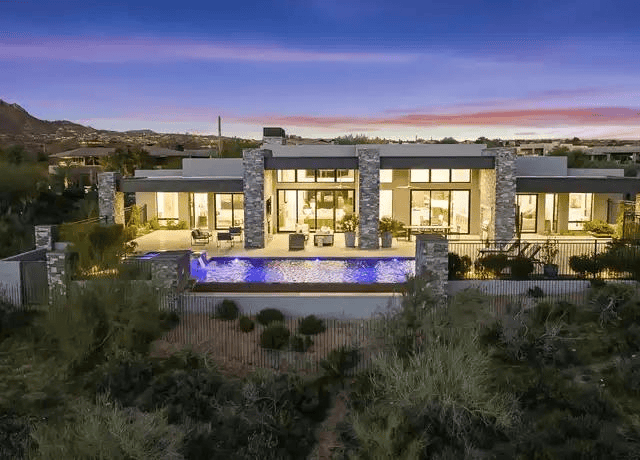
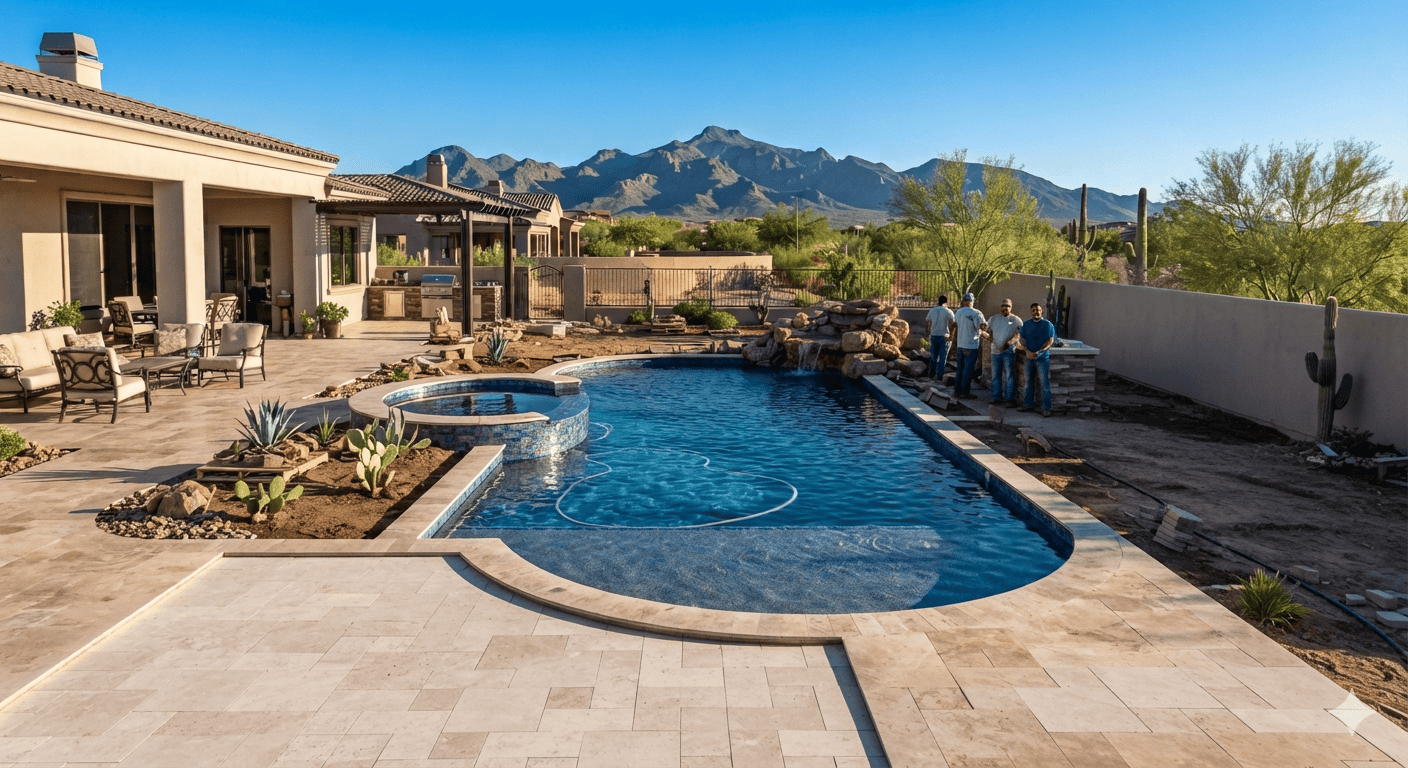
4. A Pool—Depending on the Neighborhood
In Arizona, this one depends heavily on location and price point.
In some communities, a pool can be a major selling feature. In certain Scottsdale, Paradise Valley, Arcadia, and luxury neighborhoods, buyers may expect one. A comparable home without a pool can sometimes be at a competitive disadvantage.
In other neighborhoods, however, buyers may view a pool as an additional maintenance expense rather than an asset.
And because installing a pool is expensive, adding one shortly before selling rarely makes sense solely as an investment.
The better question isn’t simply, “Does a pool add value?”
It’s whether buyers purchasing homes like yours, in your neighborhood and price range, expect one.
Home Improvements That Add Value
When resale is the objective, I generally recommend focusing on improvements that make the home feel well maintained, current, functional, and easy for the next owner to move into.
1. Fresh Interior and Exterior Paint
Few improvements can change the perception of a home as quickly as paint.
Fresh, neutral paint can make rooms feel cleaner, brighter, and more current without requiring a major renovation. Exterior paint and touch-ups can also dramatically improve a buyer’s first impression.
The goal isn’t necessarily to choose the trendiest color. It’s to eliminate distractions and create a clean backdrop that appeals to the broadest group of buyers.
2. Updated Flooring
Old carpet, heavily worn flooring, or too many competing flooring materials can make an otherwise attractive home feel dated.
In Arizona, durable and low-maintenance flooring such as tile and luxury vinyl plank is popular for obvious reasons.
That doesn’t mean you should automatically replace every floor before selling. Sometimes professional cleaning or replacing flooring only in the most dated areas makes more financial sense.
3. A Strategic Kitchen Refresh
You don’t necessarily need a $100,000 kitchen renovation to improve resale appeal.
Consider smaller improvements such as:
- Updating cabinet hardware
- Replacing dated countertops
- Adding contemporary lighting
- Updating plumbing fixtures
- Replacing an outdated backsplash
- Updating appliances
Smaller kitchen projects can offer particularly strong returns. Zonda’s 2025 Cost vs. Value Report ranked a minor kitchen remodel among the five highest-return remodeling projects nationally.
That’s an important distinction: refreshing a kitchen and completely rebuilding one are two very different investments.
4. Curb Appeal
Buyers begin evaluating your home before they ever walk through the front door.
Simple exterior improvements can have an outsized impact:
- Clean, refreshed landscaping
- Trimmed trees and shrubs
- Fresh gravel or ground cover
- Updated exterior lighting
- A refreshed front door
- Clean walkways and driveway
- Repaired stucco and exterior paint
- An attractive, uncluttered entry
National remodeling data continues to show particularly strong returns for exterior improvements. The goal isn’t elaborate landscaping. It’s making the property look cared for from the moment a buyer arrives.
5. Maintenance and Major Systems
This is one of the most overlooked categories of home improvements that add value.
A beautiful kitchen doesn’t compensate for an HVAC system that isn’t functioning properly, an aging water heater, visible roof problems, leaking plumbing, damaged stucco, or years of deferred maintenance.
Before spending money on cosmetic improvements, consider addressing:
- HVAC maintenance and repairs
- Roof tiles and underlayment issues
- Plumbing leaks
- Water heater problems
- Electrical concerns
- Cracked or damaged stucco
- Broken windows and doors
- Pool equipment
- Irrigation systems
- Other deferred maintenance
Buyers may not pay a large premium because you’ve maintained your home properly, but deferred maintenance can give them reasons to reduce their offer, request repairs, or choose another home entirely.
If your home has already been on the market and isn’t attracting offers, condition may also be part of the problem. I explain how to evaluate that in Home Isn’t Selling? Here’s When to Lower the Price, Hold, or Relist.
Don’t Renovate Based on HGTV. Renovate for Your Market
The best improvement for one home can be a poor investment for another.
A renovation that makes sense for a $3 million home in Paradise Valley may be unnecessary in a $600,000 home in Chandler. Buyers in Arcadia may prioritize features differently than buyers in Fountain Hills or North Scottsdale.
The condition of the competing homes matters, too.
If nearly every comparable property has remodeled kitchens, dated finishes in your home become more noticeable. If most competing homes are also original, you may not need to renovate as extensively as you think.
One More Reason to Keep Your Renovation Records
Keep your invoices and receipts for qualifying capital improvements.
Certain improvements may increase your home’s adjusted cost basis, which can potentially reduce the taxable gain when the property is eventually sold. You can read more about that in How Much Capital Gains Tax Do You Owe When Selling Your Arizona Home?.
Always discuss your individual tax situation with a qualified tax professional.
Before You Renovate, Get Local Advice
The best home improvements that add value are the ones that make sense for your specific home.
Before spending $10,000, $50,000, or substantially more on renovations, I recommend comparing your property with recently sold homes and your current competition.
If you’re considering selling a home in Scottsdale, Paradise Valley, Arcadia, Phoenix, or the surrounding area, I’m happy to walk through your property and help you determine where improvements could make a difference and where you’re better off keeping your money.
Contact me here and let’s create a strategy based on your home, your neighborhood, and your goals.
Frequently Asked Questions
What home improvements add the most value before selling?
It depends on the property, but buyers generally respond well to strong curb appeal, fresh paint, updated flooring, minor kitchen improvements, and a home that has been properly maintained. Before completing a major renovation, compare your home with competing properties in your neighborhood.
Should I remodel my kitchen before selling my Arizona home?
Not necessarily. If your kitchen is extremely dated compared with similar homes, strategic updates may help. In many cases, however, new hardware, lighting, paint, countertops, or refinished cabinetry can improve presentation without the expense of a complete remodel.
Does a pool add value to a home in Arizona?
Sometimes. Pools can be important in certain Scottsdale, Paradise Valley, Arcadia, and luxury communities, but their value varies by neighborhood and price point. Building a pool solely to increase resale value generally requires careful analysis.
Should I make repairs before cosmetic improvements?
Usually, yes. Buyers often react more negatively to deferred maintenance than to finishes that simply aren’t their preferred style. Addressing roof, HVAC, plumbing, electrical, stucco, and other functional issues should generally come before purely cosmetic upgrades.
About Krista Becka
Krista Becka is a Broker Associate with Real Broker who helps buyers and sellers throughout Scottsdale, Paradise Valley, Arcadia, Phoenix, and surrounding communities make informed real estate decisions. With nearly two decades of experience, she specializes in luxury homes, relocation, move-up buyers and sellers, and strategic pricing. As a Certified Luxury Home Specialist (CLHMS), REAL Luxury member, and Certified Negotiation Expert (CNE), Krista combines data-driven analysis with concierge-level service to help clients maximize their results.
Schedule a consultation at kristabecka.com/contact